acoog national student society

ACOOG-NSS Advocacy Subcommittee

Osteopathic medical students and physician mentors working to turn awareness into action for women's health.

Why Advocacy Matters

Medical training teaches us to recognize disease, but not always the structural and social factors that shape a patient's health before they ever reach us. Advocacy is how future physicians close that gap, turning awareness into action, whether that's a screening question, a resource card, or a policy conversation.

Students are often closest to these issues and best positioned to push for change early.

Meet the Committee

Who we are, where we train, and why advocacy matters to each of us.

Swipe or scroll to see all members →
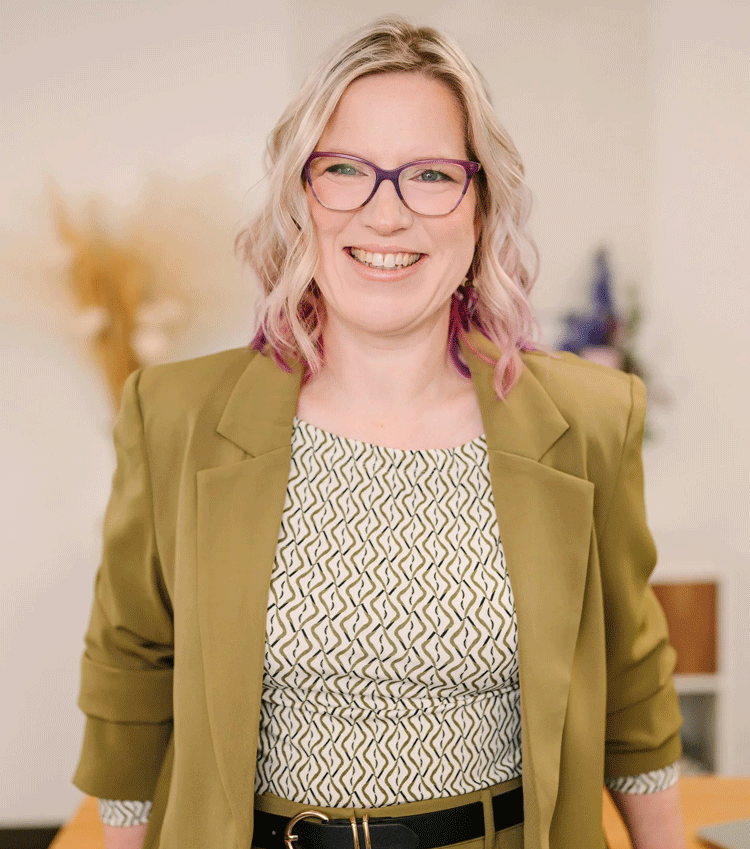
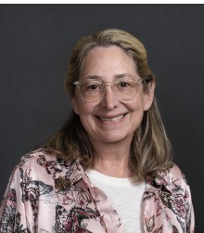
Emmie Strassberg, DO, FACOOG (Dist)

Emmie Strassberg, DO, FACOOG (Dist)

Committee Advisor · MFM

Maternal-Fetal Medicine Physician, OBTelecare

“Advocacy—through education, policy engagement, and community support—is essential to our work as physicians.”

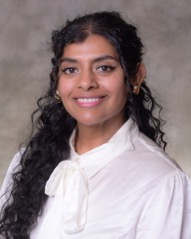
Pooja Mhatre, MPH

Pooja Mhatre, MPH

OMS-III · NSS Past President 2025–26

Touro University California College of Osteopathic Medicine (TUCOM-CA)

“My passion for women's health and my background in public health have always gone hand in hand. I want to care for individual patients, but I also want to help change the systems, policies, and barriers that affect their health long before they walk into a clinic. Advocacy gives me the opportunity to do both.”

Zenia Lakhani

Zenia Lakhani

OMS-II

PCOM South Georgia

“I don't just want to study the gaps in women's health, I want to close them. Research tells me where to look; advocacy is what I do next.”

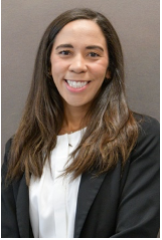
Ashley Lauver

Ashley Lauver

OMS-III

Arizona College of Osteopathic Medicine (AZCOM)

“Health is impacted by factors beyond the walls of the exam room, and advocacy gives us a way to address them.”

Halle Mitchell

Halle Mitchell

OMS-III

Edward Via College of Osteopathic Medicine, Auburn (VCOM-Auburn)

“To me, advocacy is turning a voice into action, and breaking barriers so every person can feel seen, heard, and cared for. I hope to leave healthcare better than I found it, creating a clearer path to health for those I serve and those who come after.”

Quinn Kanner

Quinn Kanner

OMS-II

NSU Dr. Kiran C. Patel College of Osteopathic Medicine, Tampa Bay

“Being a physician is more than providing healthcare; it requires recognizing structural patterns and advocating for change to ensure every patient receives the exceptional care they deserve.”

Brittany Boyer

Brittany Boyer

OMS-II

NYITCOM at Arkansas State University

“My ‘why medicine’ has always been rooted in advocacy and leadership! I believe effective healthcare requires the realities of the patients we serve to be represented at the table—and I hope to be the one who pulls out the chair.”

Jodi Benett, DO, FACOOG (Dist), FACOG

Jodi Benett, DO, FACOOG (Dist), FACOG

Physician Mentor

Chair, ACOOG Government Affairs Committee

“Advocacy is empowering! I want to have a say in improving health care for my patients. By being involved in advocacy, I can believe that I am making a difference!”

Hailey Martin, MPH

Hailey Martin, MPH

OMS-IV · GAC Student Liaison

University of the Incarnate Word School of Osteopathic Medicine

“I believe that we have a duty to ourselves and to our patients to advocate for the future of the profession and for equitable, evidence-based, and compassionate care for all individuals. As students, we have the opportunity to use our voices in a powerful way, and advocacy is the first step in contributing to our future profession and community.”

Sylvie Kimpton, MBS

Sylvie Kimpton, MBS

OMS-II

Rocky Vista University College of Osteopathic Medicine, Colorado

“I'm passionate about using my voice to advance women's health, address maternal health disparities, and improve access to care—especially in rural and underserved communities.”

Pari Kapila

Pari Kapila

OMS-III

Edward Via College of Osteopathic Medicine, Virginia (VCOM-Virginia)

“To me, advocacy means being the older sister I've always been—looking out for others, understanding their needs, and making sure they have someone in their corner to speak up for them.”

Project 01 2026 Advances in Women's Health Conference

Human Trafficking: Recognize, Respond, Support

Our first project helps students and providers recognize human trafficking, respond to it, and support survivors.

1 · The Work

Education

Human Trafficking Awareness Materials

Creating materials that increase visibility for providers and students, helping both recognize warning signs, know how to take action, and support survivors.

Language

Survivor-Centered Terminology

Working with Unbound to determine the language they recommend, and whether it differs from what is typically used in clinical settings.

2 · At the Conference
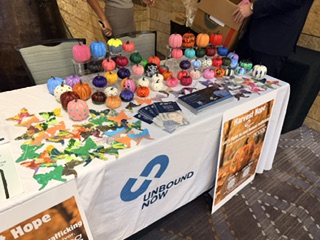
🎓

Training via Unbound

Human trafficking recognition and response training for attendees, led by Unbound.

🎒

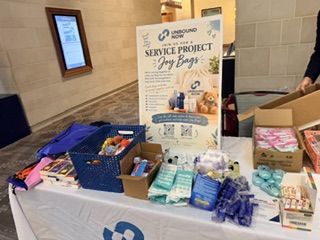
Go Bag Pre-Packaging

Assembling go bags with essentials for survivors at the point of recovery.

🧦

Sock Donations

Bring new socks to the conference to donate. Socks are one of the most-needed items for survivors.

ACOOG-NSS Advocacy Committee human trafficking project

3 · Human Trafficking Across the U.S.

Trafficking happens in every state. Learn what it looks like where you train, and know where to turn.

National Human Trafficking Hotline

Call 1-888-373-7888 · Text 233733

Confidential, 24/7, in more than 200 languages. If someone is in immediate danger, call 911.

Know Your State

Look up reported cases, trafficking types, and local resources for the state where you live or rotate. Committee members are compiling state snapshots to share with chapters.

Find State Data

Resources for Medical Students and Physicians

Unbound Now

Our training partner. Unbound provides survivor advocacy, crisis response, and anti-trafficking education.

Visit Unbound

SOAR Training (HHS)

Free online training to Stop, Observe, Ask, and Respond to human trafficking in health care settings.

Start SOAR

HEAL Trafficking

A network of health professionals with protocols and toolkits for identifying and responding to trafficking.

Visit HEAL

Polaris Project

Research, data, and warning signs from the organization that operates the national hotline.

Visit Polaris

acoog-nss student advocacy committee